
By SOCCOM Reporter
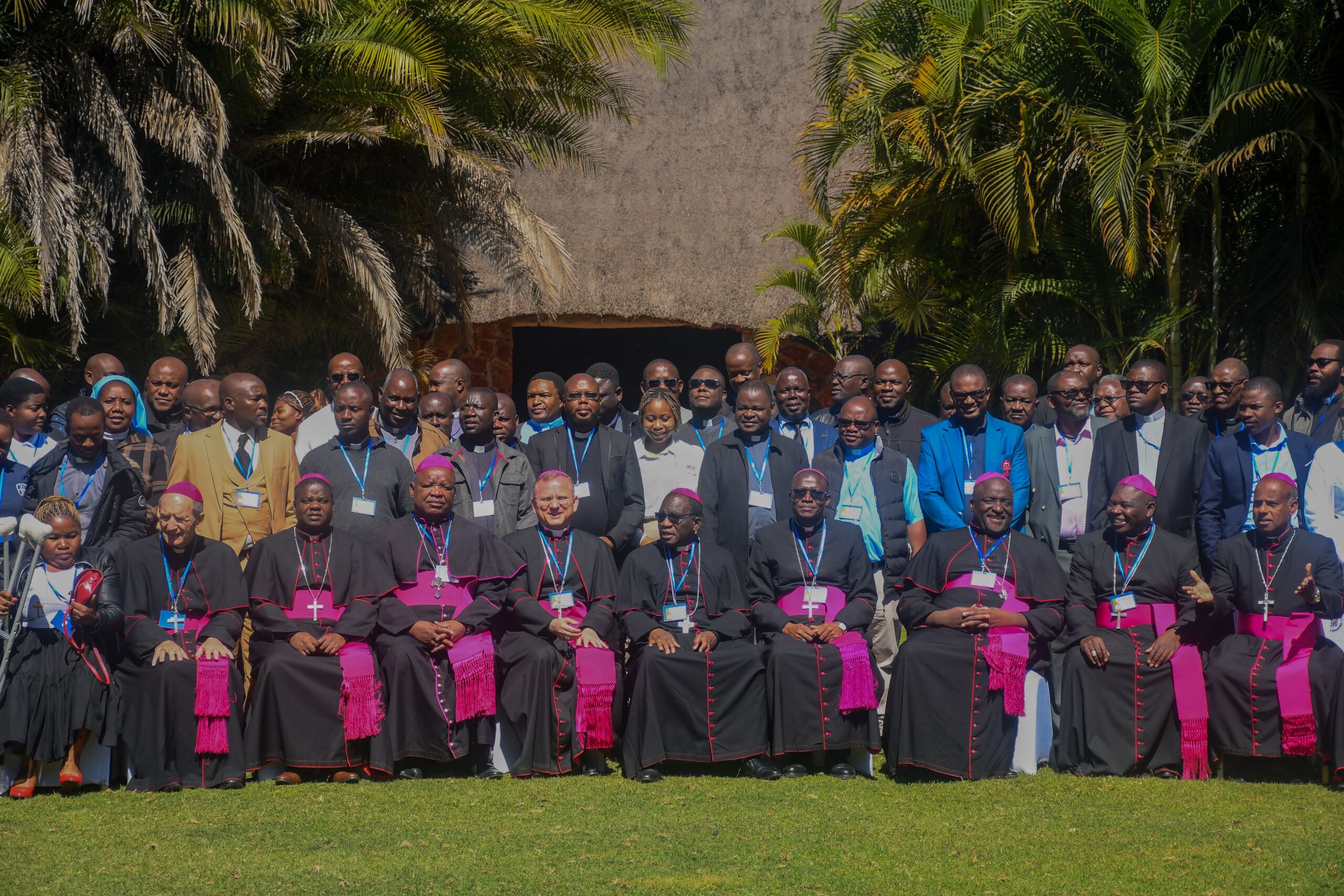
The Zimbabwe Catholic Bishops’ Conference (ZCBC) called for a nationwide day of prayer and fasting on Friday, 6 February 2026, as the country debates proposed changes to abortion laws. The bishops urged Catholics and other citizens to gather in churches, missions, and homes to reflect on the value of human life and the protection of the unborn. The day was observed under the theme, “Respect for human life, protection of the unborn, and upholding the sanctity of life.”
The call came at a time of heightened national discussion over a proposed Medical Services Bill currently before Parliament. The Bill would permit abortion on request up to 20 weeks of pregnancy, including for minors without parental consent. It would also remove spousal notification requirements and allow a single medical practitioner to authorise the procedure.
Church leaders have strongly criticised the proposed legislation, warning that it poses moral and social risks. The ZCBC said the Bill threatens Zimbabwe’s ethical foundations and could weaken family structures and parental responsibility.
Speaking during a Confirmation Mass at Our Lady of the Wayside Parish in Mt Pleasant, Archbishop Robert Christopher Ndlovu warned that it could “destroy our identity as a people.” He stressed that human life is sacred and should be protected from the moment of conception.
Adding to the growing chorus of concern, Bishop Nyathi of the Diocese of Gokwe reaffirmed the Church’s firm stance on abortion during the Diaconate Ordination of two deacons at Gokwe Cathedral. He reiterated the Church’s unwavering commitment to the sanctity of human life from conception and issued a direct appeal to lawmakers.
“In this spirit, we respectfully and firmly appeal to the Senate of Zimbabwe to uphold the dignity of human life and to reject any legislation that would permit the deliberate taking of innocent life through the legalisation of abortion,” said Bishop Nyathi.
The bishops said the prayer and fasting initiative was intended to coincide with ongoing parliamentary discussions ahead of an expected Senate vote on the Bill. They called on believers to respond not only through public debate but also through spiritual reflection and prayer.
According to the ZCBC, the day of prayer and fasting formed part of a broader effort to influence the national conscience and encourage lawmakers to reconsider the ethical and social implications of the Bill. The bishops urged legislators to weigh the long-term consequences of the proposed law on society and future generations. The observance focused on three key messages: respect for human life from conception, protection of the unborn, and the need to uphold the sanctity of life in national policy decisions.
As the Senate vote approached, the Catholic Church continued to combine advocacy with spiritual action, framing the debate as a defining moment for the nation. While the outcome remains uncertain, the bishops’ intervention highlights the deep moral, cultural, and political divisions surrounding the proposed legislation.
The ZCBC maintains that the protection of human life should remain a guiding principle in Zimbabwe’s laws and public policies. Church leaders say the decision on the Medical Services Bill will have lasting implications for the country’s moral and legal landscape.