What does it mean to be a prophetic synodal Church?
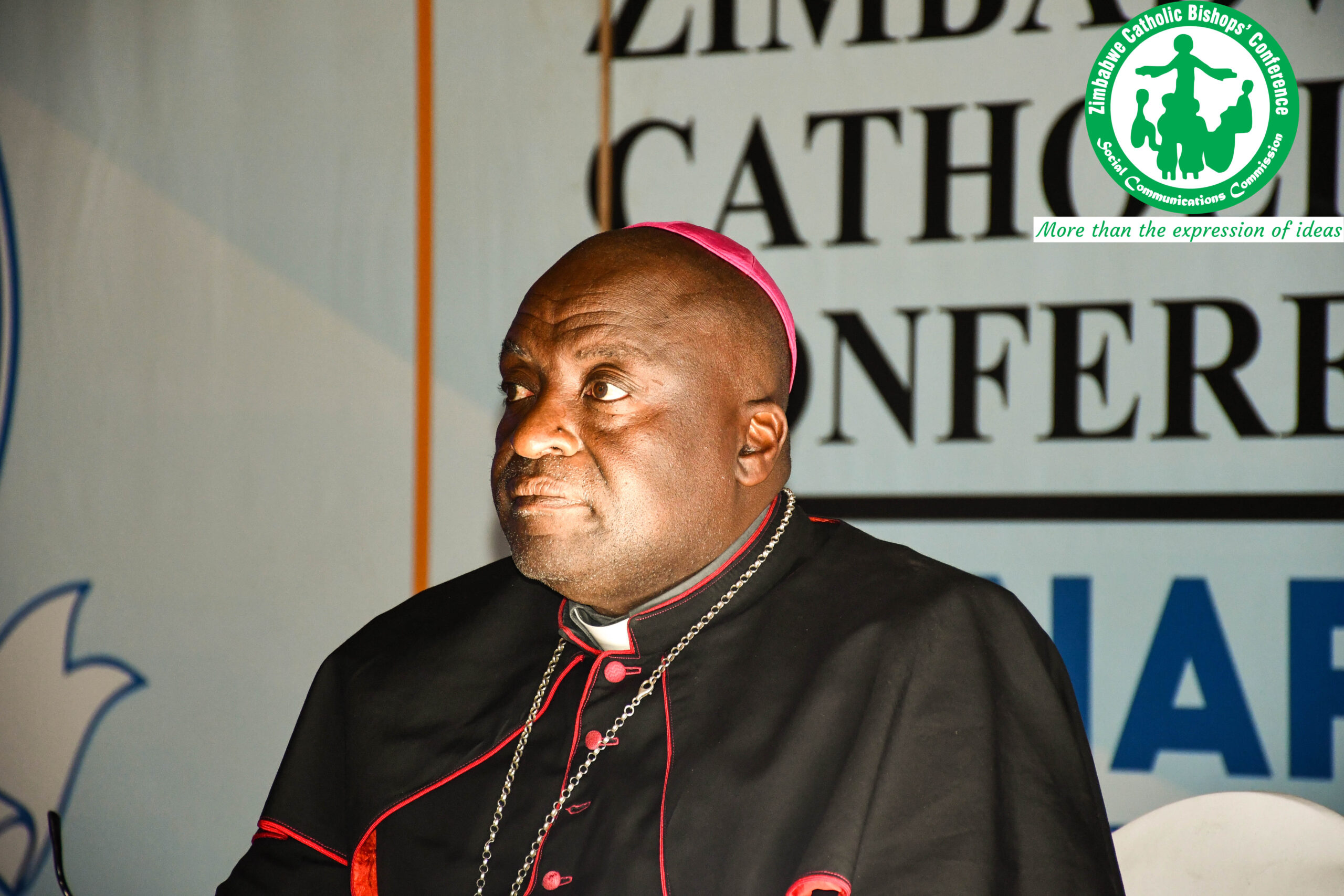
President of the Zimbabwe Catholic Bishops’ Conference (ZCBC), Bishop Raymond Mupandasekwa, addresses delegates during the 2026 Plenary Meeting.
By Fr. Johnston Z. Mlambo
In the first article of this series, we explained the theme of the 2026 Zimbabwe Catholic Bishops’ Conference (ZCBC) Plenary Meeting: “Implementing the Synod on Synodality: Transforming Synodal Principles into Concrete Pastoral Action.” We saw that the bishops’ desire is to make Synodality a lived reality in the Church in Zimbabwe rather than simply an idea discussed in meetings.
Before outlining their recommendations, the bishops made an important appeal to all Catholics in Zimbabwe. They wrote:
“In the spirit of Synodality that shaped all the Plenary deliberations, and in light of the theme and principal objective of the Plenary, we wish to exhort all Christ’s faithful in Zimbabwe to embrace a synodal spirituality and adopt the Conversation in the Spirit methodology.”
This invitation is addressed to every Catholic—not only bishops, priests, religious, or pastoral workers. Every baptised person is called to embrace a new way of living the Christian life.
The bishops then presented several paths of discernment and pastoral action. The first is a Prophetic Synodal Church.
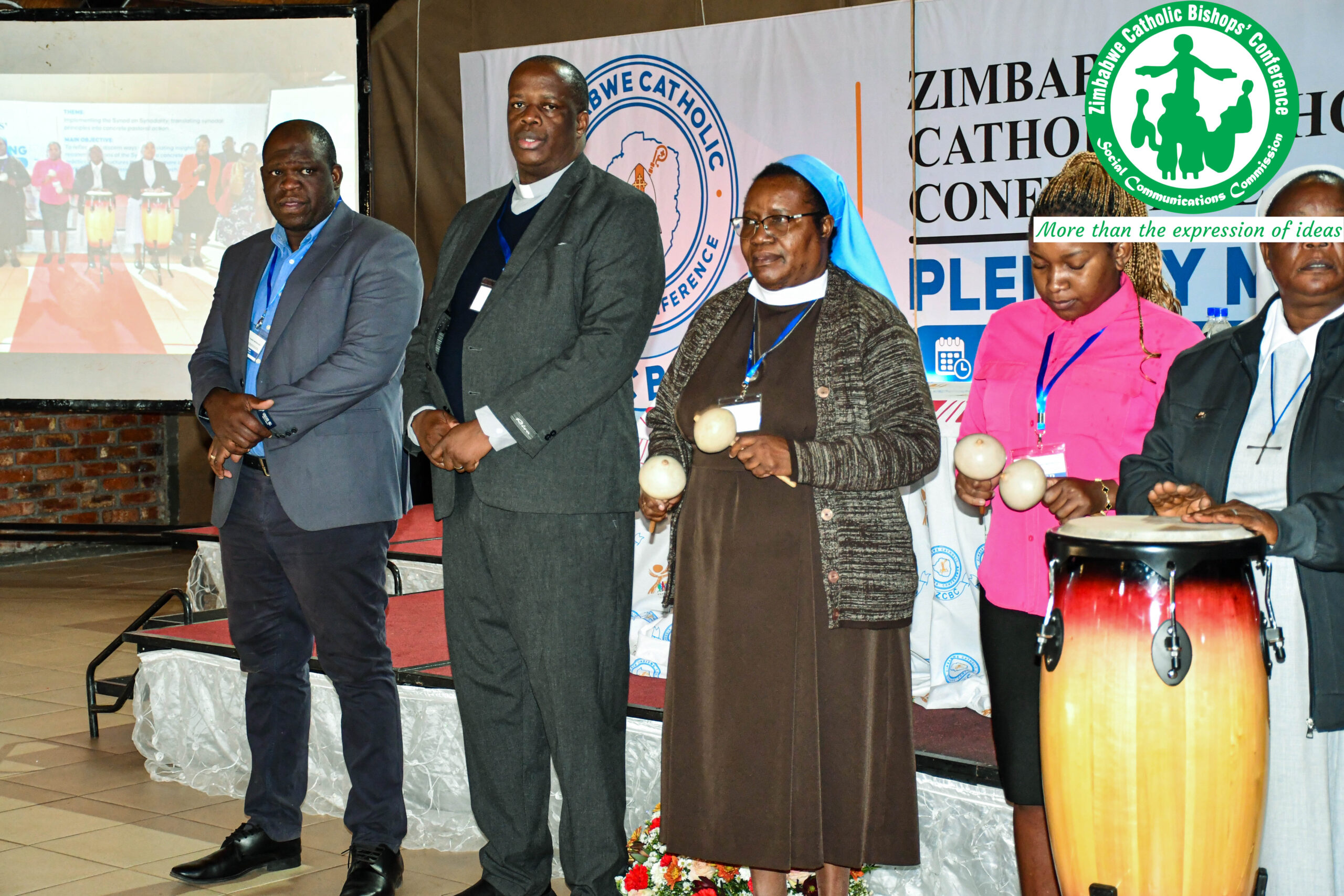
Members of the ZCBC Secretariat lead the gathering in prayer during the second day of the Plenary Meeting.
What is a prophetic Church?
When many people hear the word prophet, they immediately think of someone who predicts the future.
In the Bible, however, prophets did much more than foretell future events. They were men and women chosen by God to speak His truth, call people to conversion, defend the poor, and challenge injustice.
The prophets Isaiah, Jeremiah, Amos, and Micah courageously denounced corruption, oppression, dishonest leaders, exploitation of the poor, and empty religious practices. They reminded people that worshipping God also meant living justly and caring for one’s neighbour.
Jesus Himself was the greatest prophet. He challenged hypocrisy, defended the dignity of the poor and the excluded, and proclaimed the coming of God’s Kingdom.
When the bishops speak of a prophetic Church, they are therefore inviting Catholics to imitate Christ by courageously standing for truth, justice, and the dignity of every human person.
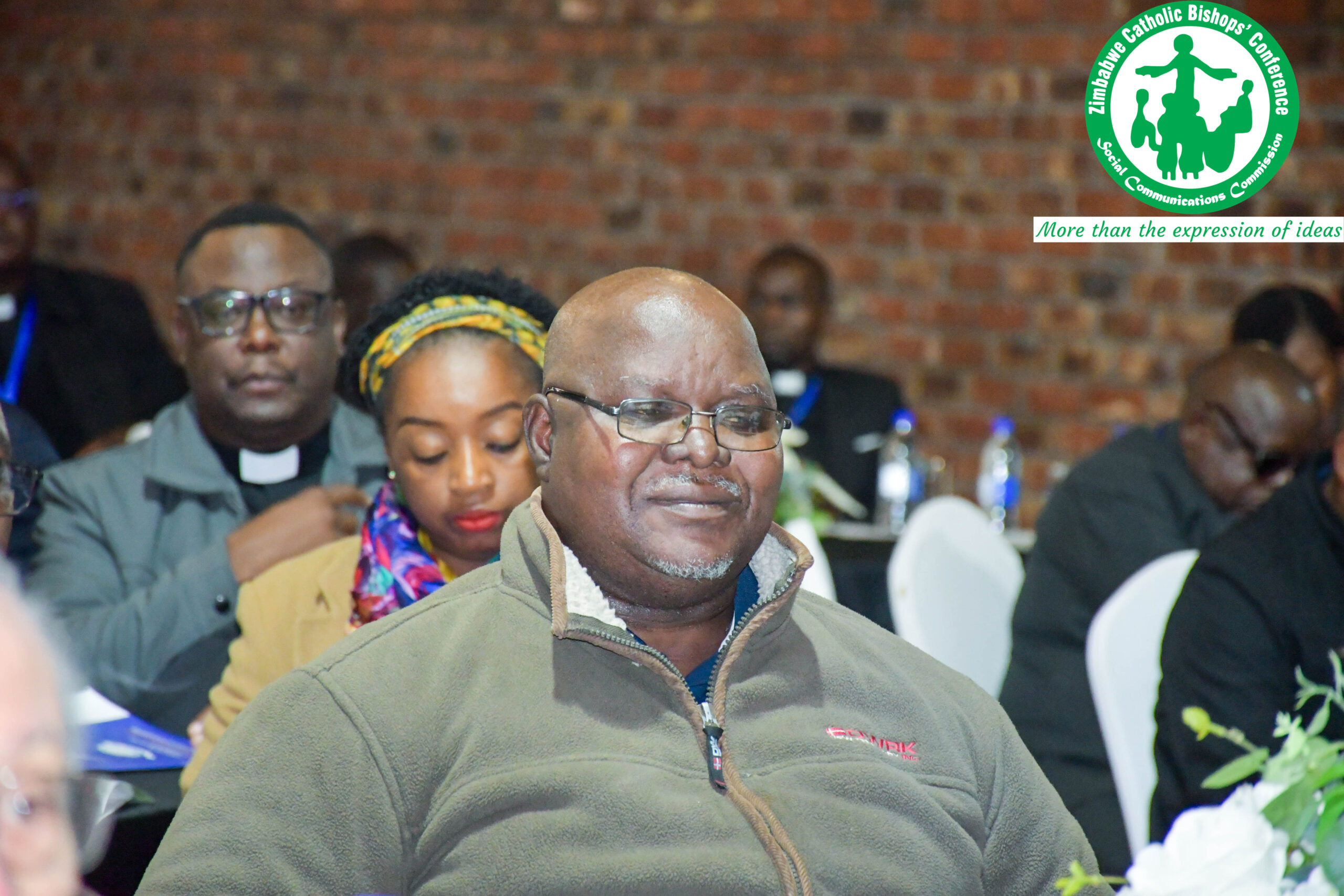
Fr Francis Matongo follows the Plenary deliberations attentively.
Every Christian has a prophetic mission
The communiqué states:
“A Synodal Church is a prophetic Church.”
This means that being prophetic is not reserved for bishops or priests alone.
Through Baptism, every Christian shares in Christ’s mission as Priest, Prophet, and King.
Therefore, every Catholic has the responsibility to promote what is good and to challenge what is contrary to the Gospel.
Being prophetic does not necessarily mean speaking loudly or criticising others. Sometimes it means quietly refusing to participate in corruption, choosing honesty when others cheat, defending someone who is treated unfairly, or speaking respectfully but courageously when injustice occurs.
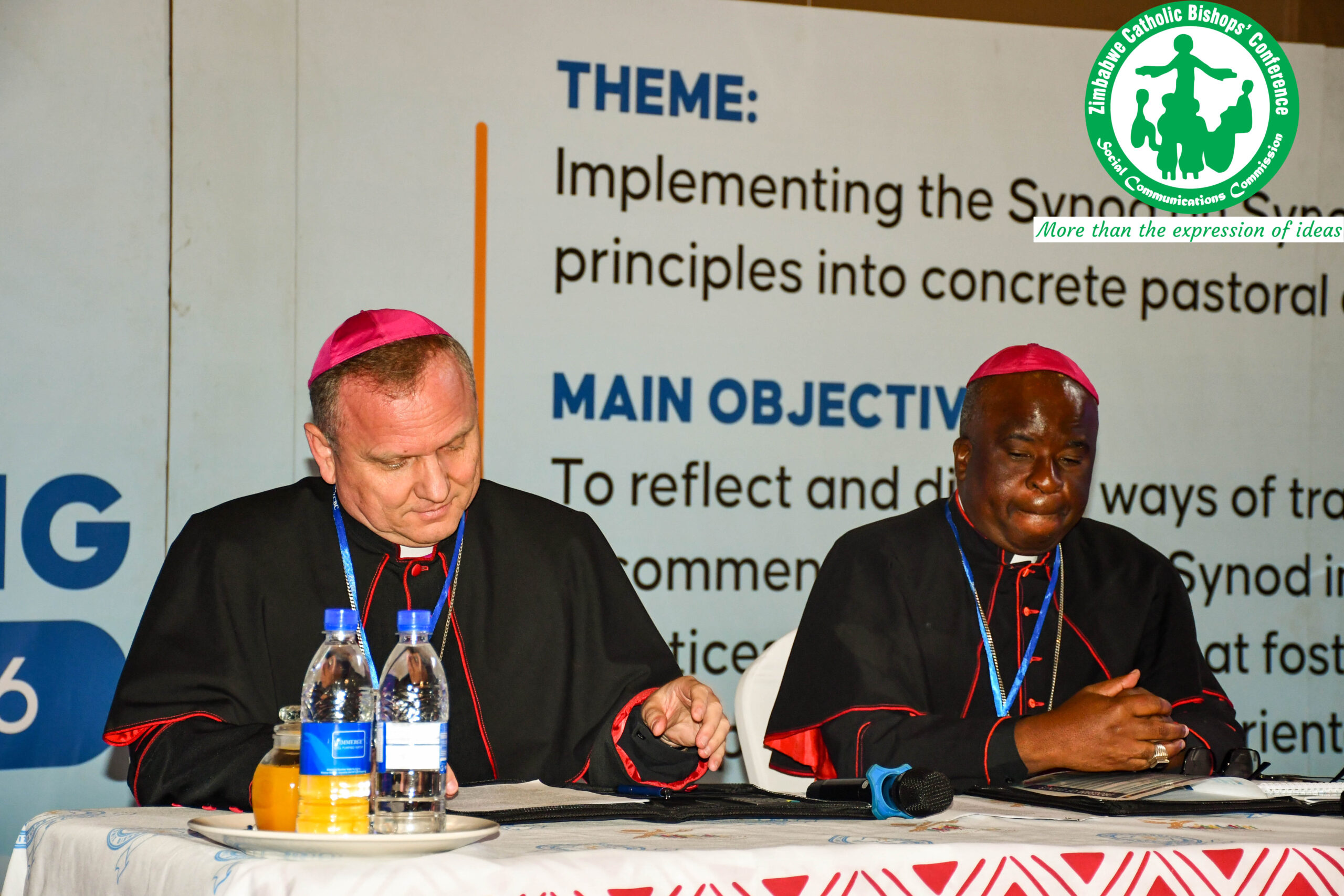
The Apostolic Nuncio to Zimbabwe addresses the gathering on the second day of the 2026 ZCBC Plenary Meeting.
Speaking against corruption
One of the realities identified by the bishops during the Plenary was corruption.
Corruption takes many forms. It includes bribery, abuse of public office, dishonesty, favouritism, nepotism, tribalism, clanism, misuse of public resources, and any practice that places personal, family, tribal, or political interests above the common good.
Corruption harms everyone, but it hurts the poor the most.
The bishops therefore remind Catholics that silence in the face of corruption is not enough. Christians are called to become voices of integrity wherever they live and work—in families, schools, businesses, parishes, public offices, and communities.
This prophetic witness begins with personal conversion. Before pointing out the faults of others, each of us must examine our own conduct and ask whether we are living honestly and justly.
Leadership as service
The bishops also warn against autocratic and dictatorial leadership.
The Church proposes a different model of leadership.
Jesus told His disciples:
“Whoever wishes to become great among you must be your servant.” (Mk 10:43)
True leadership listens.
True leadership consults.
True leadership serves.
This is one of the central ideas of Synodality. Decisions should not simply be imposed from above. Instead, they should be made after prayerful listening, dialogue, and discernment, always seeking God’s will rather than personal interests.
This applies not only to society but also to families, parishes, Church organisations, and institutions.
Standing with the vulnerable
The bishops also call attention to those who are often overlooked or marginalised.
They mention women, young people, and minorities whose dignity and participation should always be respected.
A synodal Church does not leave anyone behind.
It listens carefully to those whose voices are seldom heard and seeks ways of involving them more fully in the life and mission of the Church.
Listening, however, is only the beginning. Synodality also calls us to create opportunities for everyone to contribute according to the gifts God has given them.
Young people are not the future—they are the present
The communiqué gives special attention to young people.
Rather than seeing them merely as beneficiaries of pastoral programmes, the bishops invite every Catholic community to accompany young people and equip them to become agents of change.